
Latest
1 min. read
·Carbon removal
Around the world, hard work is being carried out on solutions to tackle the carbon problem. To remove carbon from the air, various methods exist. Part of those removal methods, also called CDR or carbon dioxide removal, is based on natural processes. Other solutions are technological.
Restoring terrestrial wetlands and peatlands to absorb and store more carbon.
Improving agricultural and grassland management practices to increase carbon uptake in the soil, and agroforestry to remove carbon from the atmosphere.
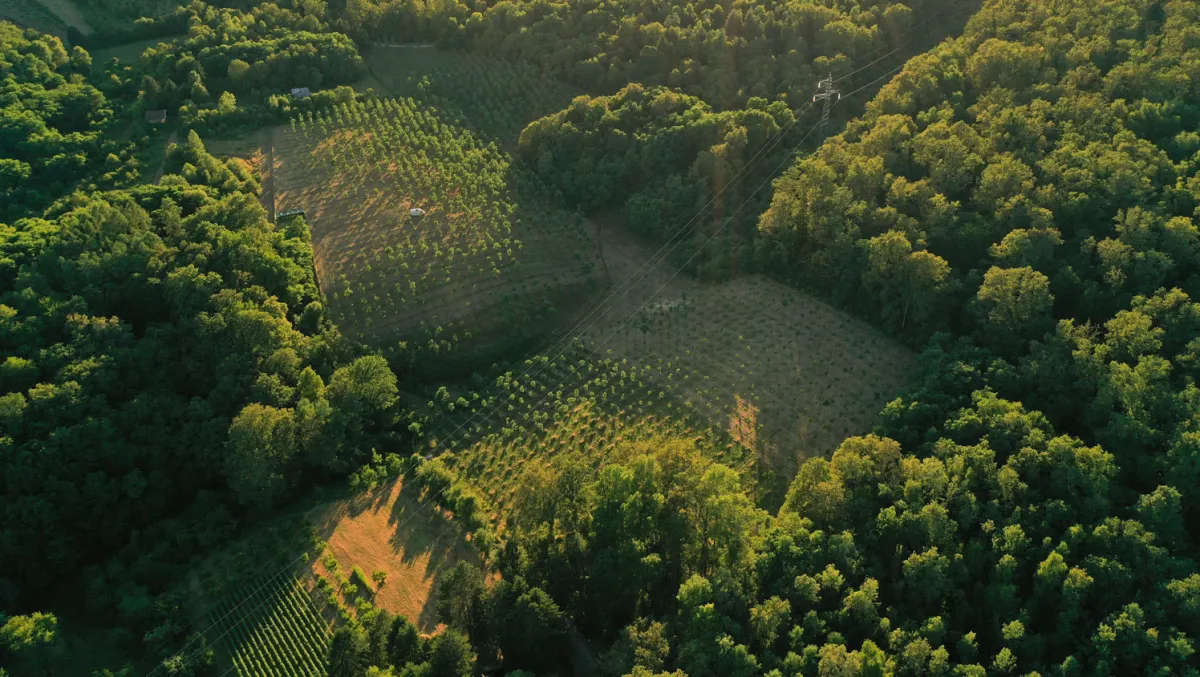
(Re)planting trees to remove carbon from the air.
Restoring mangroves, seagrass beds and tidal marshes, and growing algae to absorb and store carbon.
Converting organic waste material into biochar and underground injection of bio-oil to improve soil quality and store carbon.
Adding acid neutralizing substances to the ocean to accelerate the natural process of carbon uptake.
Breaking down rocks and minerals, with olivine as the most used mineral, to increase their surface area and thus accelerate the processes to store carbon from the atmosphere.
Capturing and permanently storing the CO2 released when converting biomass in which carbon is stored, into fuels, electricity or heat.
Removing carbon from ocean water using chemical processes. The carbon is stored or used in sustainable fuels or materials. The water is returned to the ocean and absorbs carbon from the atmosphere again.
Removing carbon from the air through chemical filters and storing it in underground geological formations.
Natural removal methods offer a cost-effective approach in the short term, while technology-based solutions can provide more sustainable removals in the long term. Each method has its challenges, such as energy costs, land availability or quantification of results. Work is constantly being done to improve the options and developments are moving fast.
Although carbon removal and carbon offsetting are often used interchangeably, the terms do not mean exactly the same. Carbon removal involves removing carbon that is in the atmosphere. There is also carbon reduction, which involves ensuring that less carbon is released into the air. Carbon offsetting means taking emitted carbon out of the air elsewhere (removal) or emitting less carbon elsewhere (reduction). Other terms often used are: CDR or carbon dioxide removal, and carbon capture.
There are both natural and technological methods to remove carbon. Examples of natural ways include: restoration of wetlands and peatlands; deployment of cropland, grassland and agroforestry; (re)forestation and blue carbon management. Technological ways include: producing biochar and bio-oil; increasing ocean alkalinity; enhanced rock wethering; BECCS (Bioenergy with carbon capture and storage); Direct Ocean Capture and Direct Air Capture and storage.
In our blogs, you will find everything you need to know about carbon offsetting. We keep up with legislation, provide the latest news, summarize research findings, and share whitepapers.
1 min. read
·1 min. read
·1 min. read
·Do you have a question or do you want more information? Contact us for a free consultation.
We use cookies (and similar technologies) to enable basic functionalities on our website. By clicking “Accept”, you agree to the use of analytical cookies, with which we analyze and improve our website, and with marketing cookies to make our content more relevant to you. You can change your cookie-preferences by clicking “Personalize”. You can read more about how we use cookies in our cookie policy.

